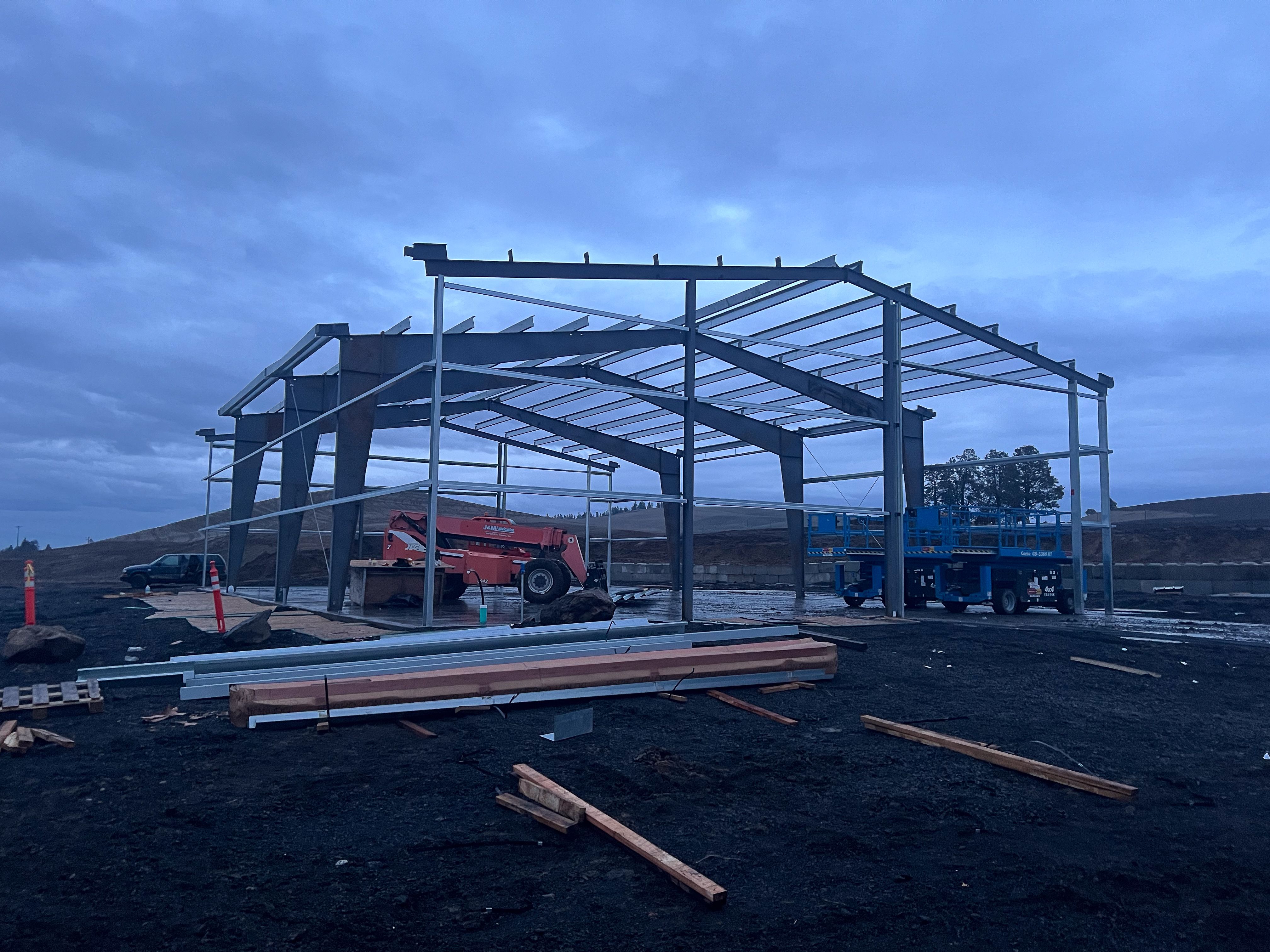
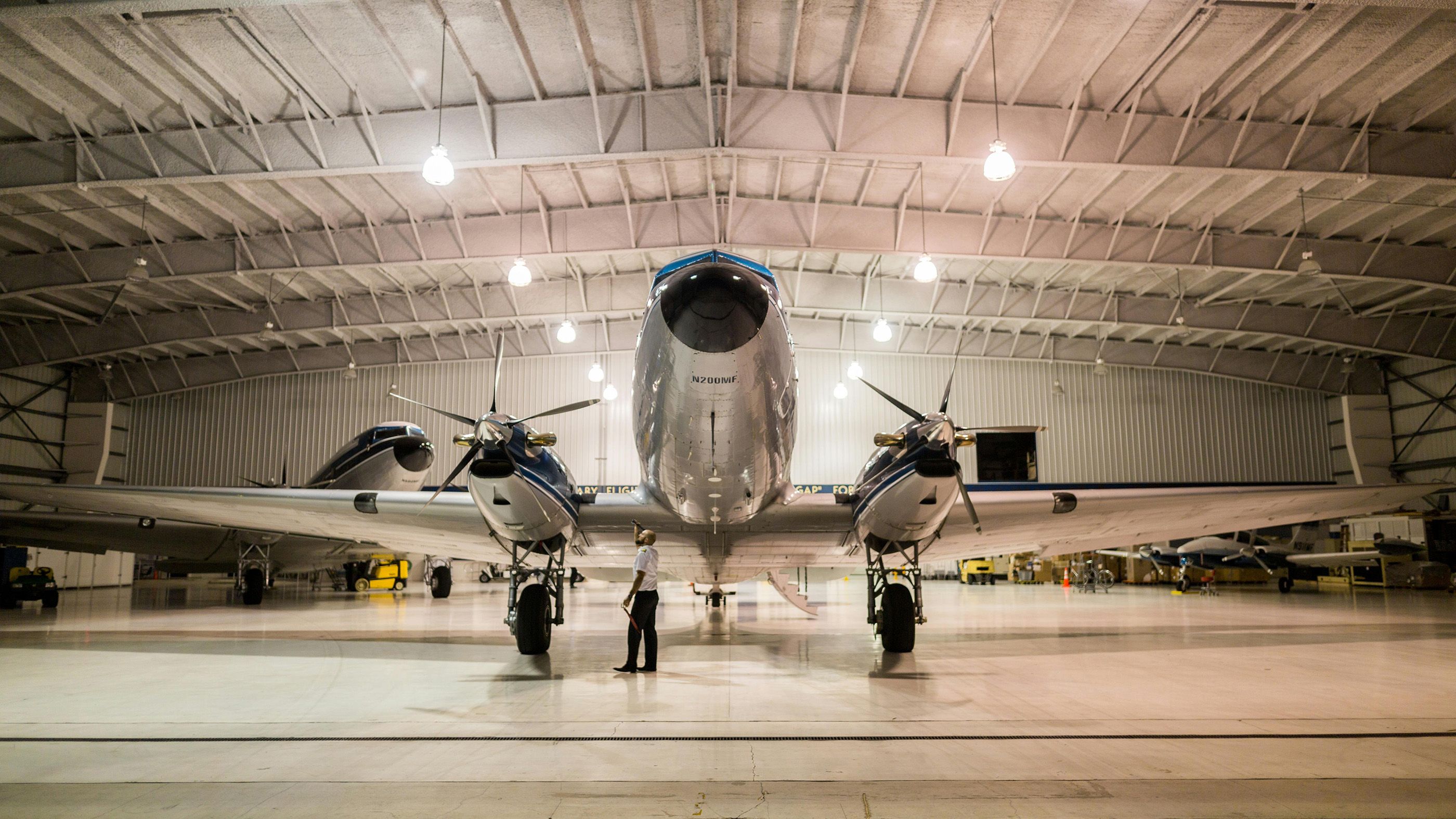
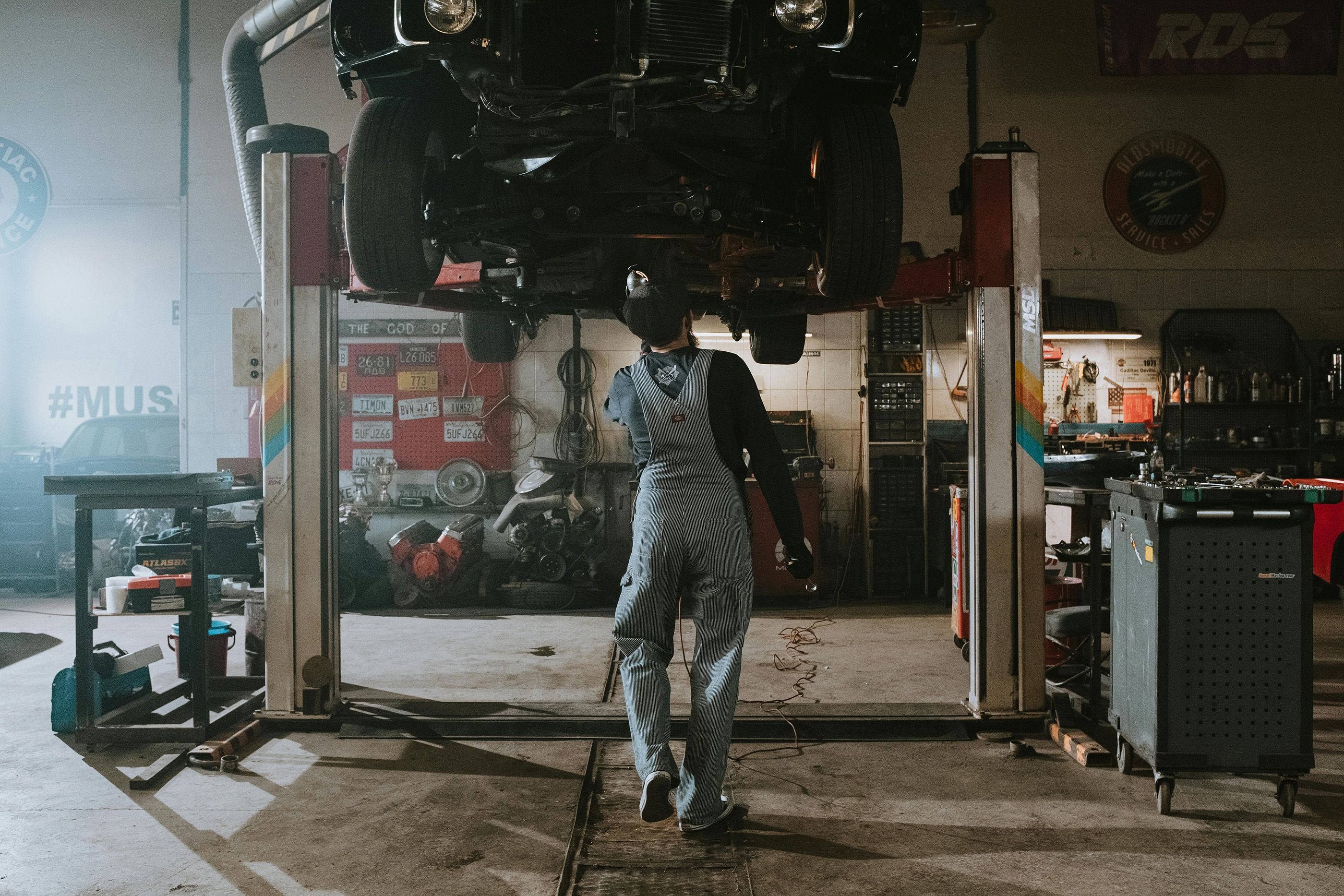
Agricultural Metal Buildings for Commodity Storage, Livestock Housing & Stables

Durable, low-maintenance steel buildings designed for real farming conditions — not catalog photos.

Why Choose Mammoth

Years of experience erecting steel buildings in harsh weather and agricultural environments

Designs tuned for ventilation, corrosion resistance, and animal safety

Pre-engineered for local snow, wind, and seismic loads

Get Started

Request Quote

Free agricultural building estimate

Schedule Consultation

Discuss your farm layout needs

Why Steel Makes Sense on the Farm

Agricultural buildings deal with moisture, manure, feed dust, equipment impact, and big temperature swings. Steel handles that abuse better than wood or pole barns:

Durability & corrosion resistance

Galvanized and coated steel resists rust, weathering, and chemical exposure from fertilizers and animal waste.

Pest resistance

Steel doesn't attract termites, rodents, or other pests that attack wood and stored grain.

Low maintenance

No regular rot-treatment, repainting, or structural replacements; steel ag buildings need far less upkeep than traditional wood barns.

Fire and weather performance

Steel buildings can withstand high temperatures and severe weather while maintaining structural integrity.

You're not just buying a building — you're buying fewer future headaches.
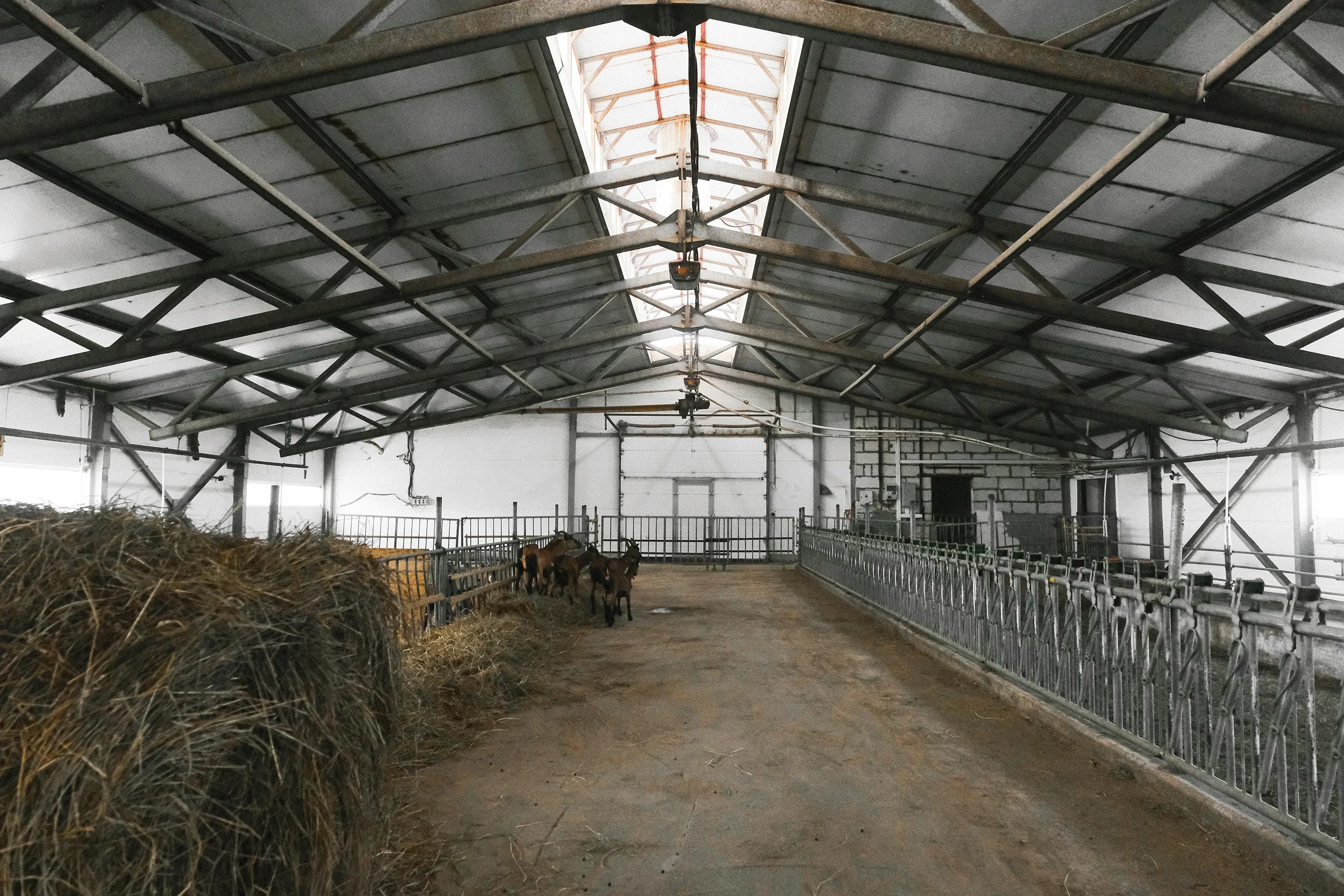
Agricultural Projects

See some of our completed agricultural metal building projects.

Sub-Categories

Different agricultural operations require different building designs. Explore the three main categories we specialize in.

Commodity Storage (Hay, Grain, Feed, Inputs)

Use Cases

Hay storage, grain and bulk feed, seed, fertilizer, general farm inventory.

Design Considerations

  • Clear-span interiors: for efficient stacking and skid loader movement
  • Ventilation and moisture control: to protect hay, grain and packaged goods from mold and spoilage
  • Door sizes: tuned for trucks, skid steers, telehandlers, and auger systems
  • Corrosion-resistant framing and cladding: where fertilizer and chemicals are stored

Livestock Housing (Beef, Dairy, Small Animals)

Use Cases

Beef and dairy barns, loafing sheds, calf barns, swine/goat/sheep shelters.

Design Considerations

  • Ventilation and air turnover: to manage ammonia, humidity and temperature
  • Interior layouts: for pens, feed alleys, and manure handling
  • Wash-down tolerant walls: and structural elements for easy cleaning
  • Open-sided or partially enclosed designs: depending on climate and animal type

Stables & Mixed-Use Barns

Use Cases

Horse barns, mixed livestock + tack storage, utility barns.

Design Considerations

  • Stall layout: aisle width, tack and feed storage, wash bays
  • Natural light and airflow: for horse comfort and safety
  • Future expansion: for additional stalls, hay storage, or attached arena
  • Durable surfaces: to withstand kicks, impacts, and frequent cleaning

What Makes Mammoth Different for Ag Buildings?

We erect what we sell – These aren't "somebody else will figure it out" kits. Our crews have actually stood in mud, snow, and dust putting these frames together.

Design tuned for farm workflows – Door placement, equipment access, feed routes, manure handling — we think through how you'll use the building daily.

Corrosion-aware detailing – We pay attention to where manure and moisture sit, and spec coatings, trims, and details to survive that environment.

Room to grow – We design with future bays, lean-tos, or additions in mind, so your building can grow with your operation.

Typical Features & Options

  • Clear-span steel frames for wide, unobstructed interiors
  • Galvanized and coated components in high-moisture / high-corrosion areas
  • Natural light panels, ridge vents, cupolas, and mechanical ventilation
  • Sliding, overhead, or hydraulic doors sized for farm equipment
  • Insulated or uninsulated envelopes depending on use and climate
  • Easy expansion capability for additional bays, lean-tos, or attached shelters

Cost Drivers

  • Building footprint and clear-span width
  • Eave height (for tall equipment or stacked commodities)
  • Degree of enclosure and insulation
  • Interior build-out – pens, stalls, wash bays, concrete curb walls, etc.
  • Door types and quantity (sliding vs overhead vs big hydraulic openings)

Process & Timeline

1

Needs Assessment

Commodities, animals, equipment, weather, and site layout.

2

Preliminary Layout

Stall/pen/stacking layout, door placement, equipment paths.

3

Engineering & Permit Documents

Stamped drawings tailored to local loads.

4

Fabrication & Delivery

Pre-engineered kit arrives ready to assemble.

5

Foundation / Site Prep

Coordinated with your concrete or sitework contractor.

6

Erection by Mammoth Crews

Shell up quickly; details dialed in onsite.

FAQ (Agricultural)

Are steel ag buildings too "hot" or "cold" for livestock?

Not when designed correctly. Ventilation, shading, possible insulation, and building orientation are all used to manage temperature and air quality.

Will steel corrode around manure and fertilizers?

Not if the right coatings, drainage details, and cleaning practices are used. Galvanized and coated steel significantly improves corrosion resistance.

Can I expand the barn later?

Yes. Pre-engineered metal buildings are well-suited for adding bays, lean-tos, or attached sheds as your operation grows.

Explore Other Building Types

Discover more metal building solutions for different applications.

Ready for an agricultural building that works as hard as you do?

Tell Mammoth what you're storing or housing, and we'll design a steel building that fits your operation.